On Practice: Yuliia Holovatiuk-Ungureanu
Posted on 19 April 2026
On Practice is a series featuring Castlefield Gallery Associates members, offering a glimpse into the ideas, processes and questions shaping their work right now. Through these reflections we get to know the people behind the artistic practice, how they think, and what they’re currently exploring. This month we interviewed artist Yuliia Holovatiuk-Ungureanu.
Hi, Yuliia! thank you for talking with us about your practice today. How would you describe your practice in one sentence?
I work with clay, archives, artefacts, and material-based painting to explore how we rebuild ourselves after disruption, using materials that carry memory, pressure, and time.
What’s something people might not know about you?
Before returning to art after I fled my native country following Russia’s full-scale invasion in 2022, I worked in public governance and led a national institution in Ukraine – Energy Efficiency Fund which is still working despite the war and providing grants for renovation of multifamily buildings.
What are you currently working on, or excited about right now?
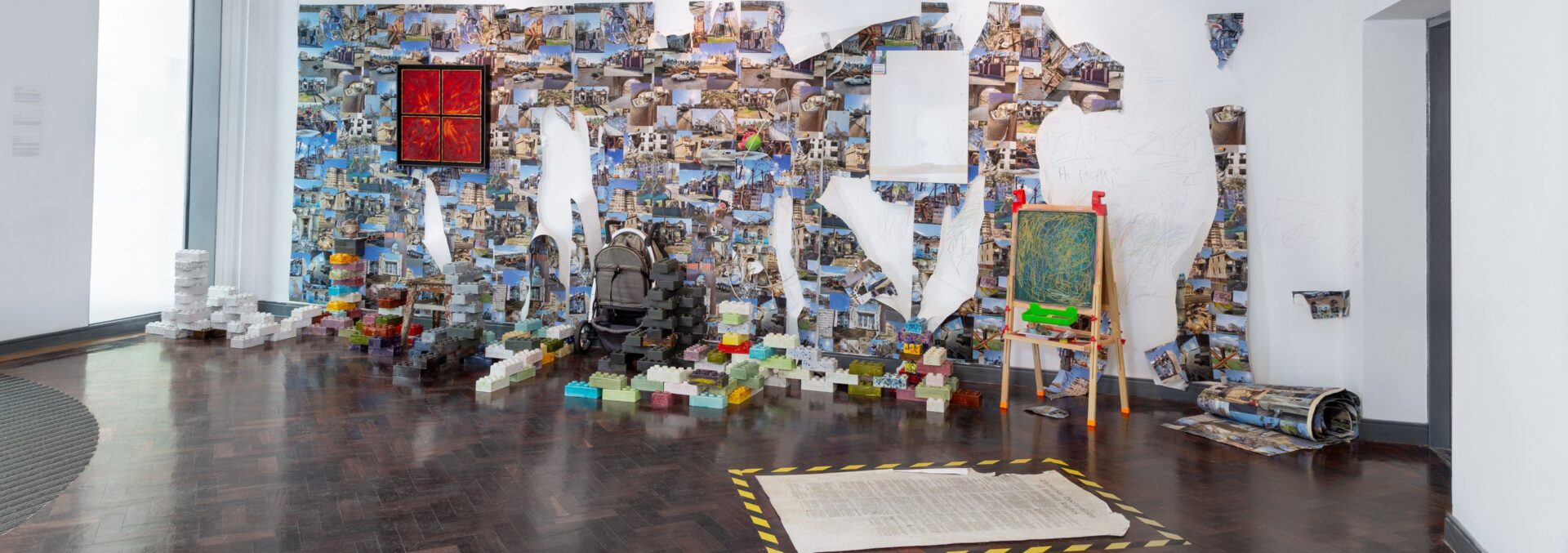
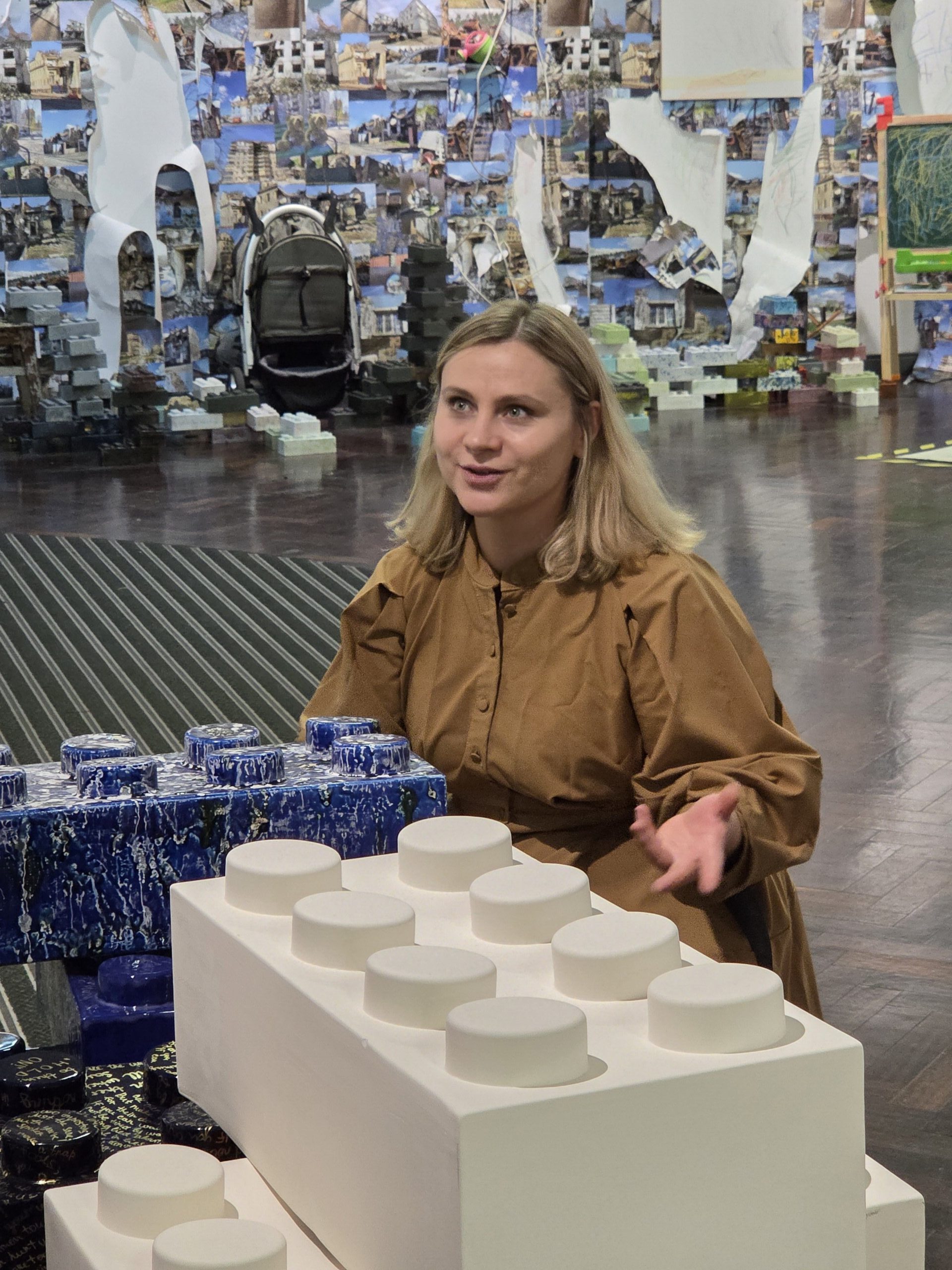
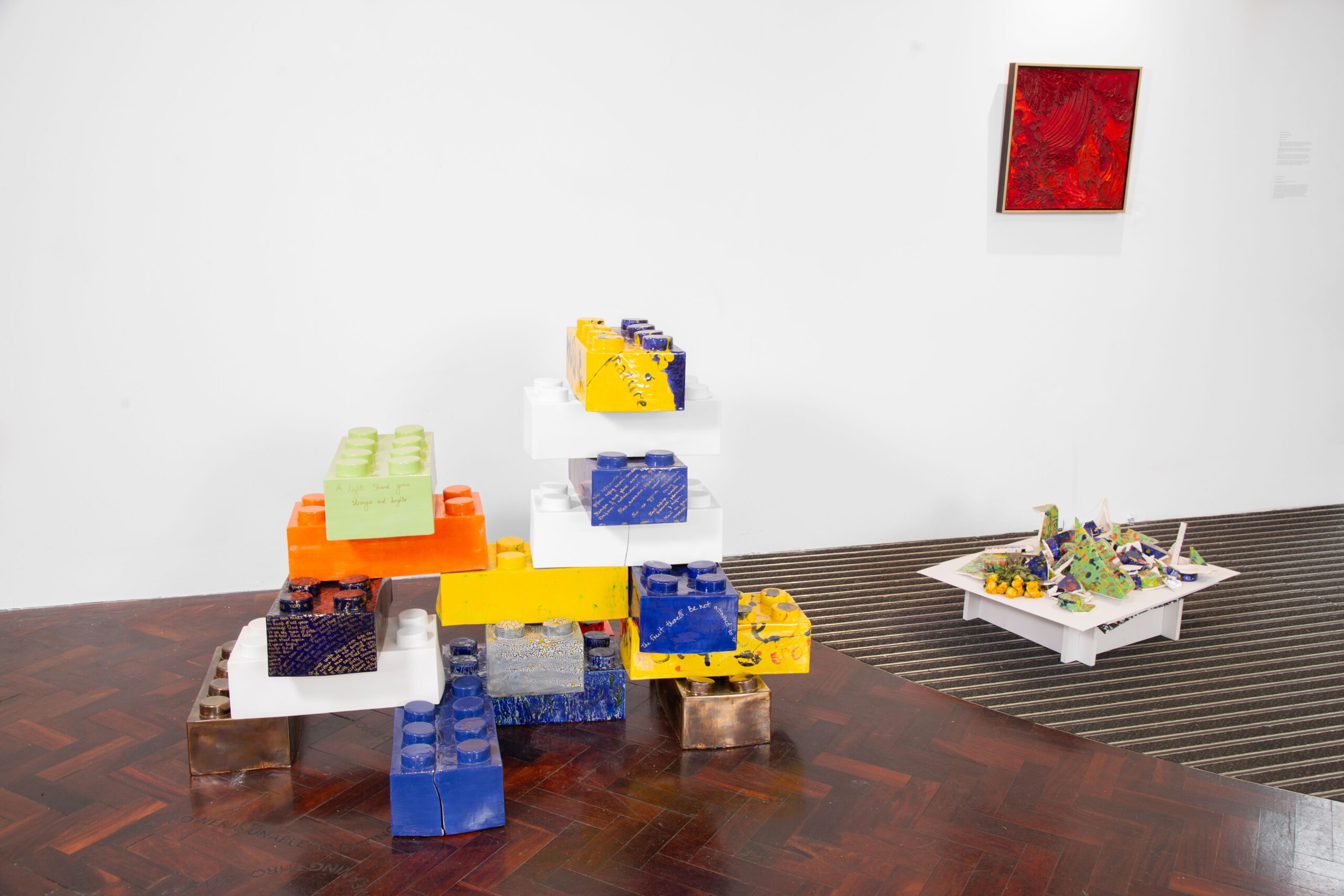
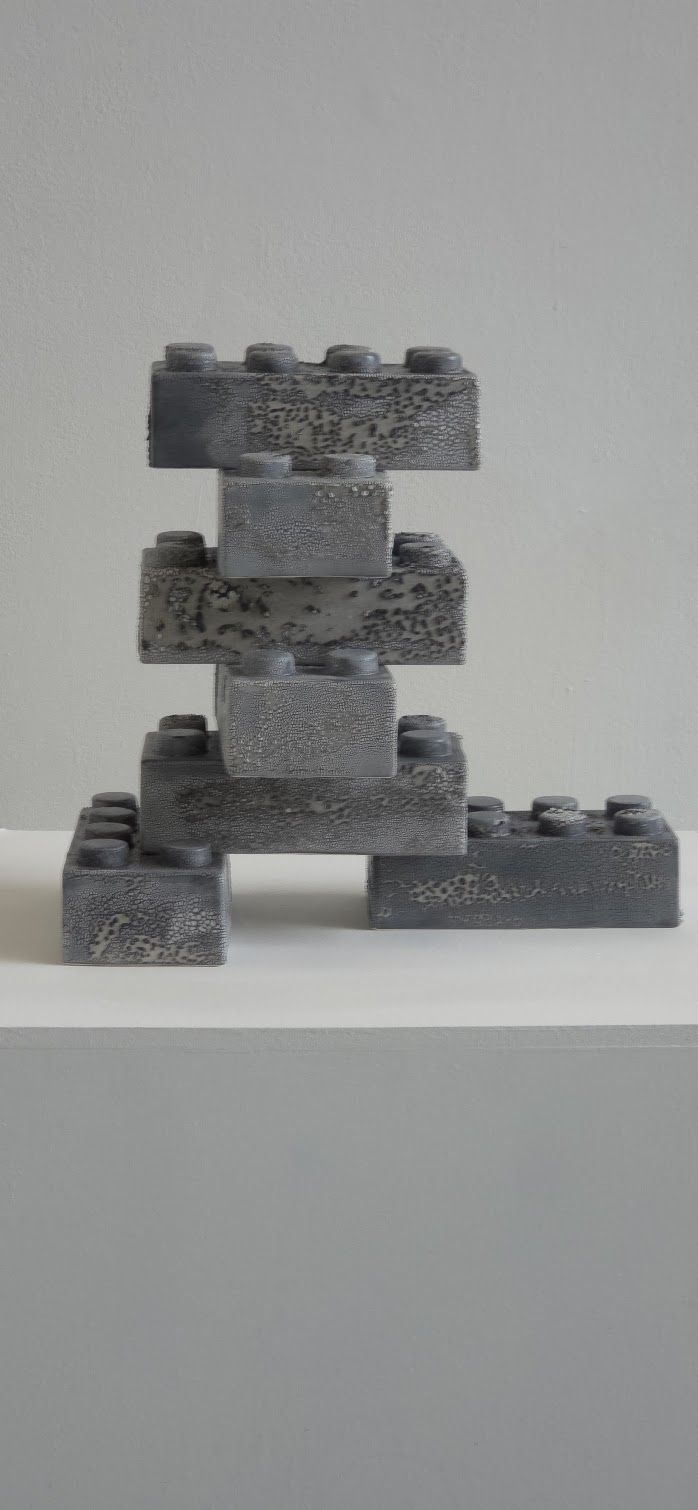
I am always working on multiple projects. Right now, I’m deeply engaged in my long-term ceramic project with modular bricks, building larger installations where each element can be reconfigured. I’m particularly interested in how these works can shift between intimate objects and immersive environments. At the same time, I am developing a series of works based on archival documents related to Ukrainian history, cultural identity, and the collapse of the global security system.
What’s a challenge you’ve learned to work with rather than against?
Uncertainty, both in life and in material. Clay doesn’t always behave, and neither does life, especially after I was forced to leave Ukraine in 2022. Even in painting, I’m drawn to what I call “happening”, when the material begins to lead and tell its own story.
I’ve stopped trying to control everything, which is the opposite of what you must do when leading a public institution, and instead I work with unpredictability as part of the process. I value the honesty of both life and art. When you allow the work to exist beyond your control, it begins to reveal something deeper, something you could not construct intentionally.
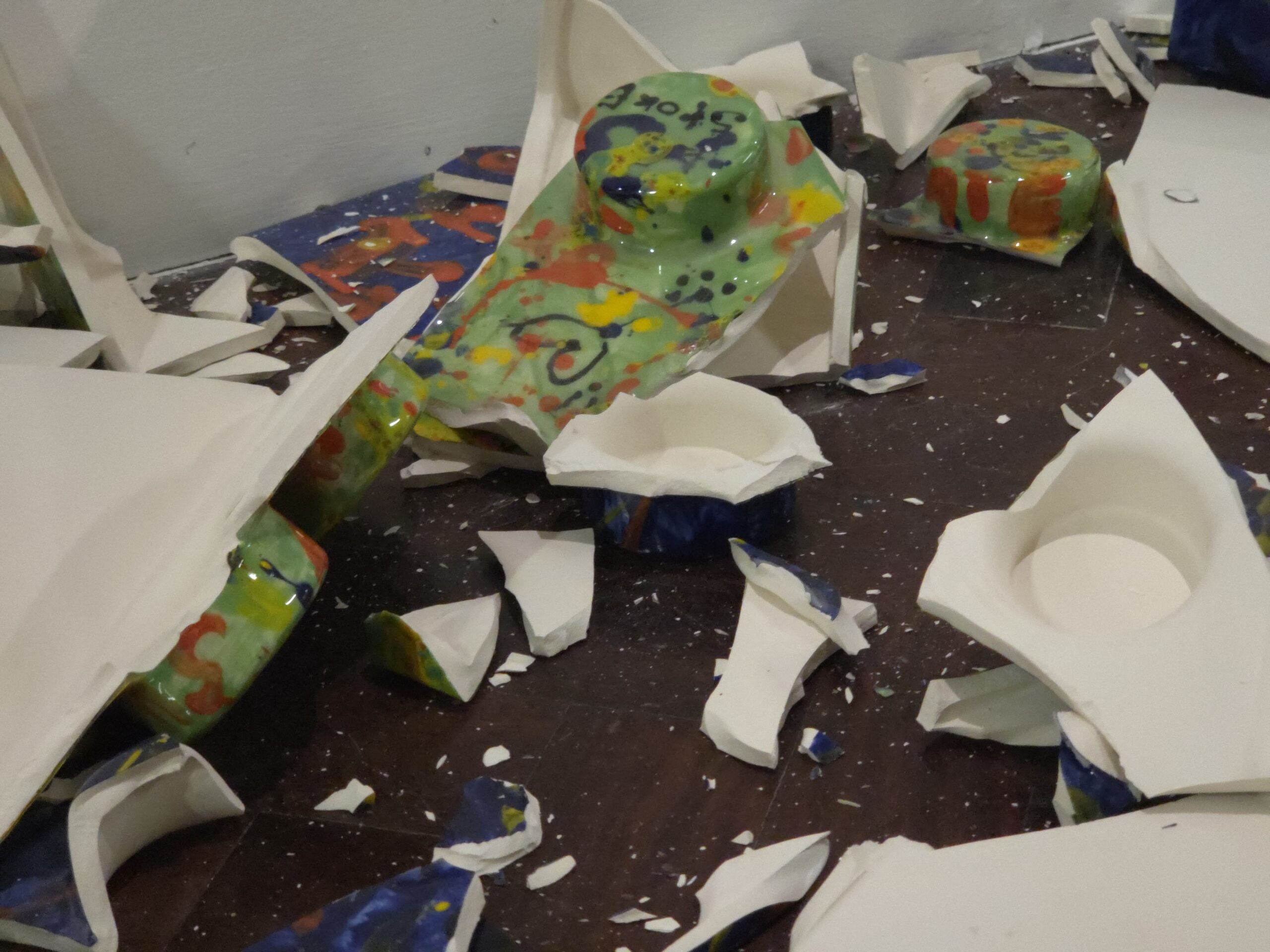
Let me share two examples. During one of my recent exhibitions, 15 of my small ceramic bricks were stolen and two large ones were accidentally broken. The loss was significant, not only materially but physically and emotionally, as each piece requires many hours of intensive labour.
After the initial shock, I chose to reflect rather than react. The disappearance of these elements made me think about absence, about the loss of people during the war in Ukraine, those who are missing, displaced, or taken. It shifted the work from object to evidence, even though originally the bricks were meant to represent rebuilding.This situation led me to new ideas I had not planned before. It brought an unexpected depth into my practice.
The second moment was with the broken bricks. The next day, someone placed a bouquet of yellow roses beside the sculpture. It immediately reminded me of destroyed buildings in Ukraine, where people leave flowers and children’s toys as acts of mourning and care. My first thought was: does this mean the work is dead?
I didn’t intervene. I left the installation in this state almost until the end of the exhibition, including during 24 February, the day marking the beginning of the full-scale war.
Then, on the penultimate day, I created a second performance. As a gesture of gradual healing, I removed the fragments, held a collective meditation for peace with participants, and reconfigured the sculpture, adding a new brick with messages of peace written by those present. The work became stronger. I realised that without these events, I could not have created this piece in the same way. I could not have directed it. Life shaped it. The work, in a way, made itself.
What does Castlefield Gallery Associates make possible for you?
I joined because I value how the gallery supports complex and challenging practices. As an emerging artist, I have found meaningful support through one-to-one sessions, group critiques, and opportunities to connect with curators. It creates a sense of continuity, which is especially important when you are rebuilding both your life and your practice in a new country.
It offers a space where the work can develop within a professional and thoughtful context.
What are you hoping to explore or develop next?
I want to expand my ceramic installations into larger, more immersive environments and continue developing the relationship between modular structures and lived experience, how people move through, interact with, and emotionally respond to the work. This part of my practice is about building and imagining a future. At the same time, I continue to work with the reality of Russia’s war against Ukraine and the ongoing struggle for independence and cultural identity. I’m particularly interested in working more deeply with archival materials that reveal the repressions of the Soviet system against Ukrainian culture and existence, bringing these histories into material form.
What would you say to someone thinking about getting involved with Castlefield Gallery Associates?
Do it. It’s not just about opportunities, it’s about becoming part of a conversation and a community that genuinely supports your development.
How can people support or follow the work you do?
You can follow me on Instagram: @yuliia_art_uk_ua and my ceramic project @dream.forge.bricks
Website: yuliiaholovatiukungureanu.com
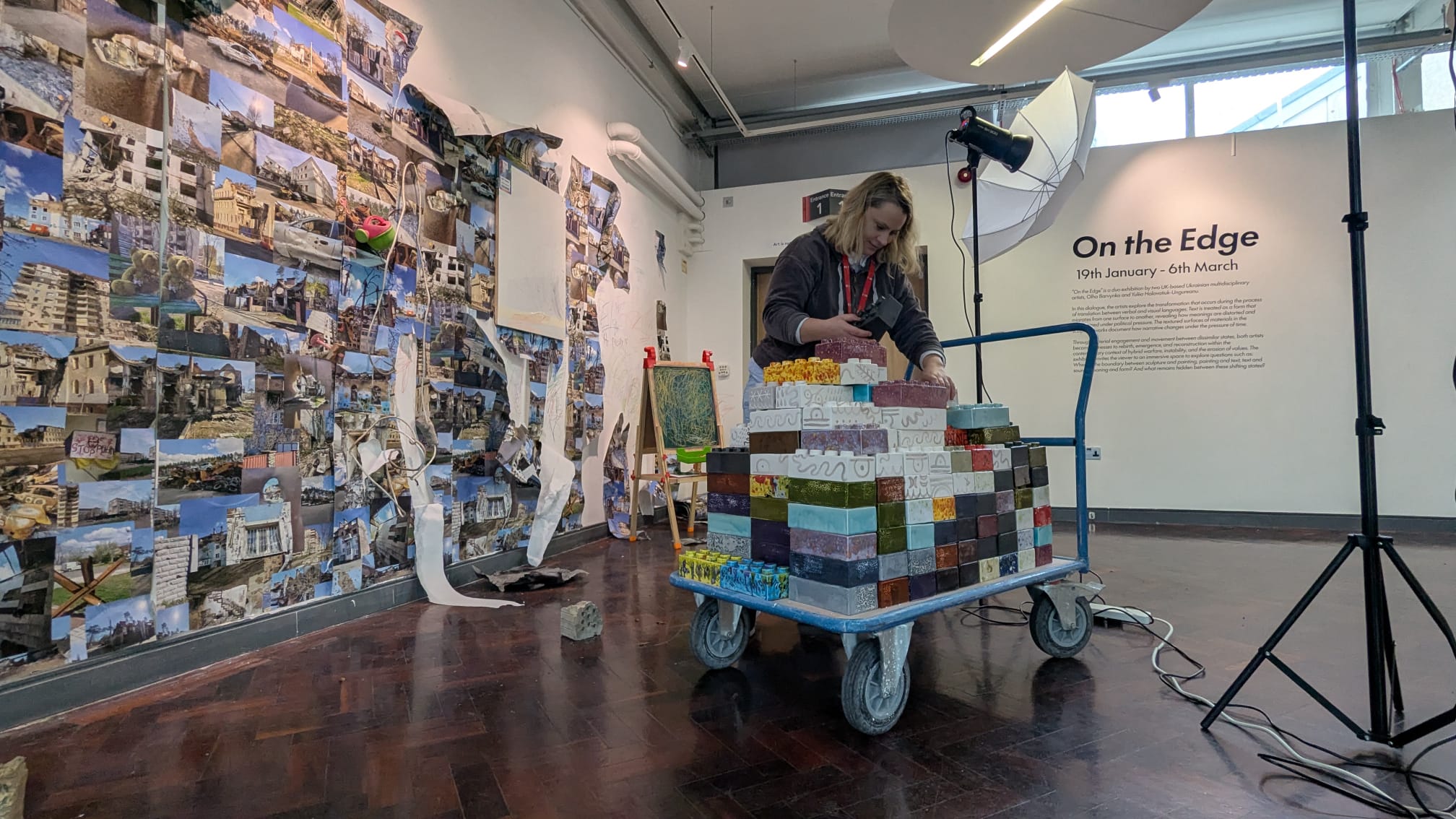
Images
Images courtesy of Olha Barvynka.
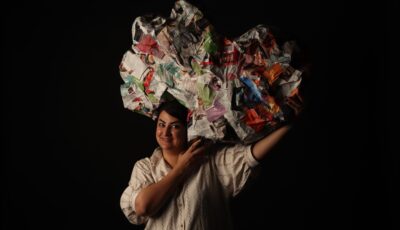
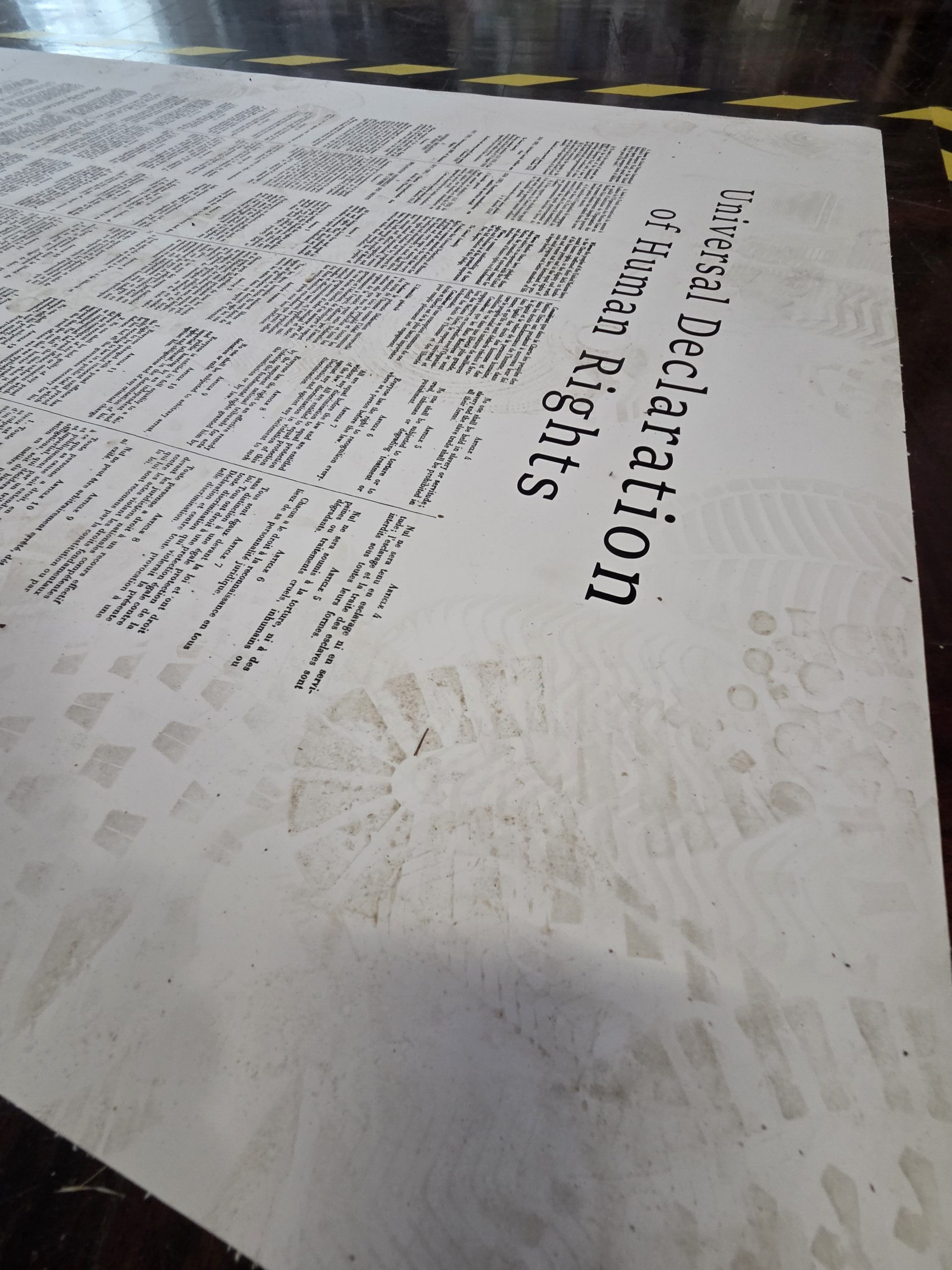
- Title: Where We Begin, 2025–2026, Wallpaper, painting, found objects, ceramic bricks, mark-making, Dimensions variable
- Yuliia Holovatiuk-Ungureanu
- Becoming The Self, 2025–2026, Slip-cast ceramic bricks, Dimensions variable