On Practice: David Hancock
Posted on 13 October 2026
On Practice is a series featuring Castlefield Gallery Associates, offering a glimpse into the ideas, processes and questions shaping their work right now. Through these reflections, we get to know the people behind the artistic practice. How they think, what they’re exploring, and what it means to be developing work today. This month we interviewed David Hancock.
Hi, David! How would you describe your practice in one sentence?
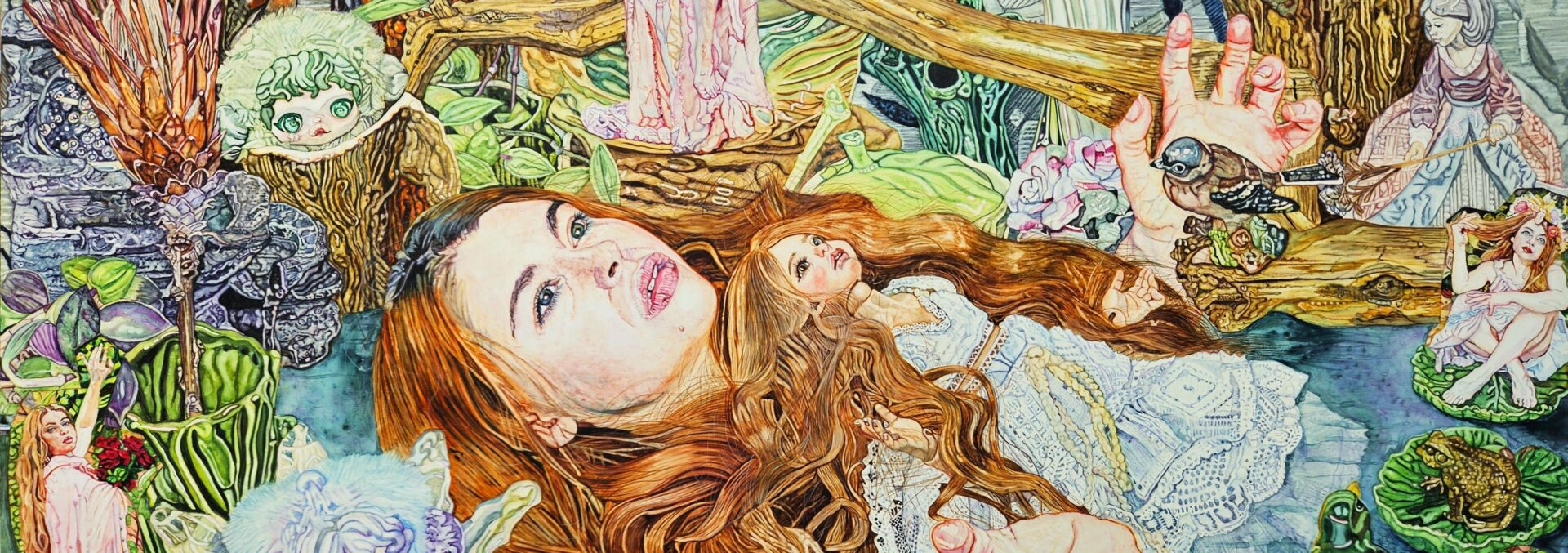
My studio-based painting practice merges portraiture, still life and the imagination to create a self-contained subconscious world.
What are you currently working on, or excited about right now?
I have been working in collaboration with a life model based in Argentina on my current series of work since the start of the year, and very recently have made the transition to working in oils, which I have not used since 1994. I have worked almost exclusively in watercolour for 15 years, reaching a point where I had honed the practice to such a degree that I felt unable to develop it further in the direction the new paintings were taking. I needed to work on a bigger scale to emphasise the difference between Bianca, the model, and my dolls, which function as an avatar (of sorts), allowing me to be present in the painting. Scale became a necessity.
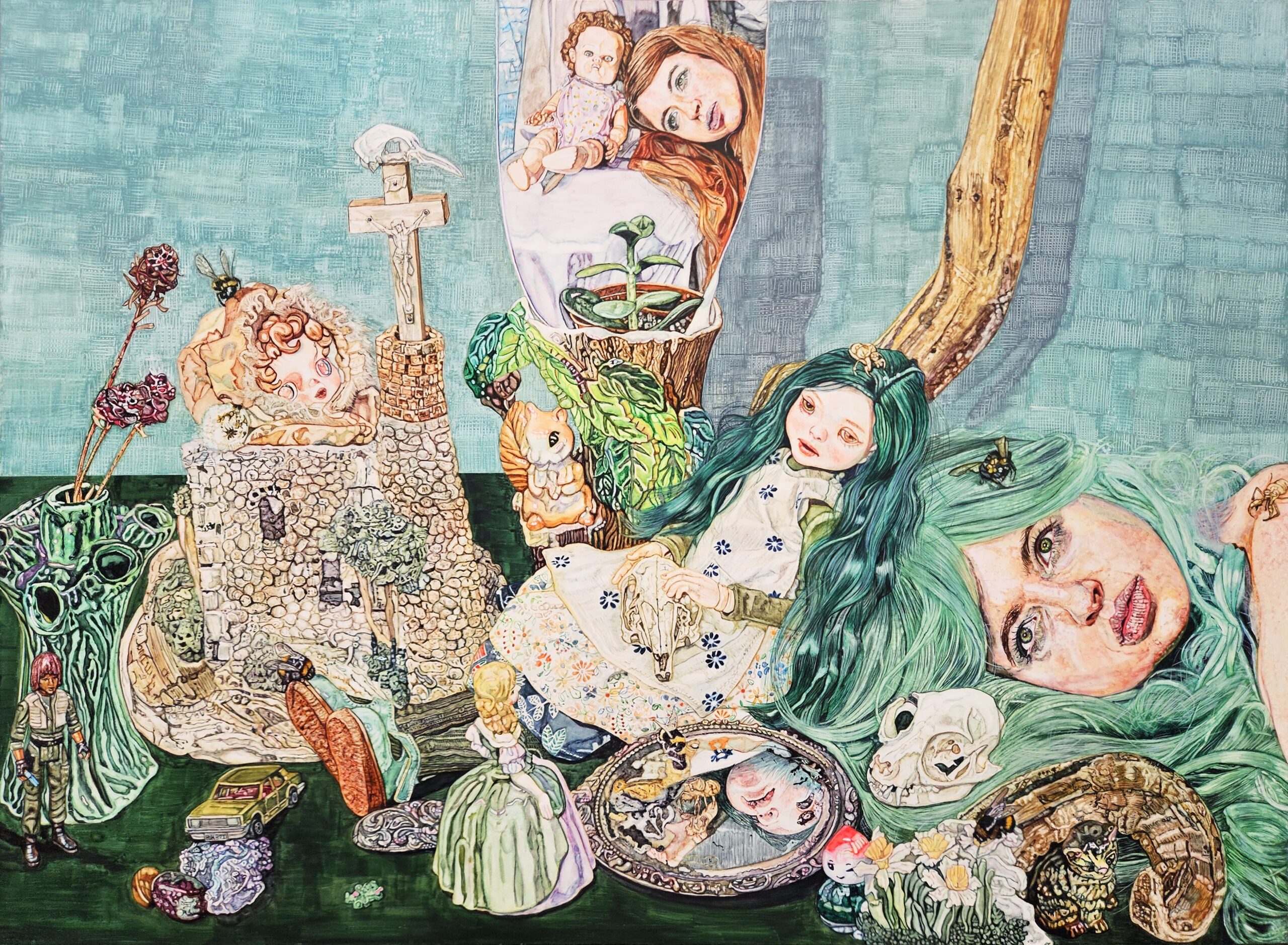
The transition has been tricky. I wanted to continue using the approach I’d developed with watercolour, laying colour onto a smooth gesso panel and wiping into it. I also wanted to avoid using white. However, the nature of the oil paint doesn’t quite allow it, so I’m having to adapt and compromise. The challenge is interesting though, and will require some experimentation and play, which is a good thing. It’s rather exciting. Things shouldn’t be too easy.
What questions or ideas are shaping your work at the moment?
One of the key questions is Bianca’s role and contribution to the work. The relationship between a male artist and a female muse has historically been problematic. I have undertaken extensive research into Surrealism and particularly the ‘femme-enfant’, whom the male artists saw as their conduit to the unconscious world of the Marvellous. I’m also in the process of reading Ruth Milligan’s book, Muse, that highlights the significance of the muse and examines the relationship as much more collaborative. It is important to thoroughly examine my own role in the work, as well as Bianca’s. The process feels genuinely collaborative, and we have a shared aesthetic that is feeding into and inspiring Bianca’s photoshoots, as well as how I integrate those images back into the still life. I’m interested in how that relationship can be reflected in the paintings.
What aspect of the Castlefield Gallery Associates membership has benefited you the most so far?
Knowing that someone has got your back, and being part of the Castlefield Associates community is incredibly reassuring. Being an artist can be rather isolating, and you have to be quite self-sufficient, but knowing that if I get stuck or need advice, I can speak to Gass or Helen in a 1-2-1 session is really valuable. When I was struggling to reframe my practice, I had a conversation with Helen and she gave me some very useful advice. Applying for the open calls, even if unsuccessful, has prompted me to rethink and recontextualise my practice. The scheme encourages you to contribute and participate as well as providing solid feedback.
What would you say to someone thinking of joining the scheme?
I am a real advocate of the Associates scheme, both with my artist peers and my students, particularly as they come to graduation. For emerging artists, the period after graduation can be quite disorientating, as you say goodbye to your fellow students, the teaching staff and your workspace. The scheme provides an alternative, with a community of Associates and potential to access one of the New Art Spaces. It provides a sense of continuity at a point when a lot of things are changing. For more established artists, the Associate scheme exposes you to a range of opportunities which you might otherwise miss. The scheme allows for an easy way to remain engaged with people and organisations around you and your contribution also goes towards supporting the art ecology of your region.
What are you hoping to explore or develop next?
I’m interested in seeing where the move into oil takes the work. The change in scale has already opened up possibilities that weren’t available to me in watercolour, particularly in terms of the relationship between Bianca and the dolls, and how I can use the space within the painting. I also want to push the collaborative aspect of the work further. Bianca’s shoots are becoming increasingly important to the development of the paintings, and I’m interested in how much agency I can give to that process while still retaining my own voice within the work. My focus is on building a new body of work for exhibition and I’m keen to explore how working with oils will shape my practice.
One thing inspiring you right now?
Working with Bianca.
A place that feeds your creativity?
The Venice Biennale (I’m going in November).
A tool, habit, or ritual you rely on?
The Pigment, Potter’s Pink – Having changed all my processes and materials, finding a version in oil was imperative.
See More
Website
david-hancock.comImages
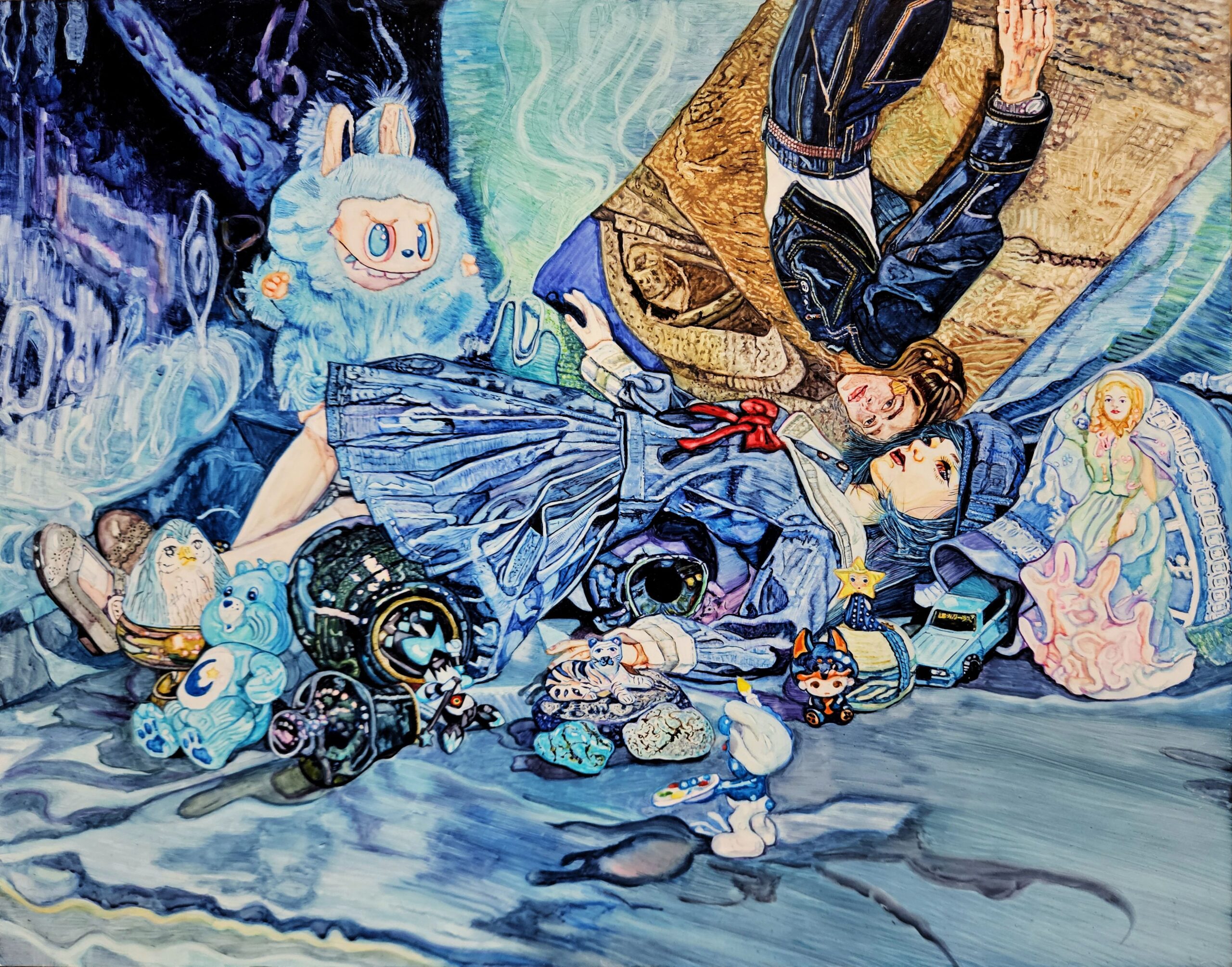
- Star Crossed in Blackthorn, Watercolour on Gesso Panel, 50 x 70cm, 2026
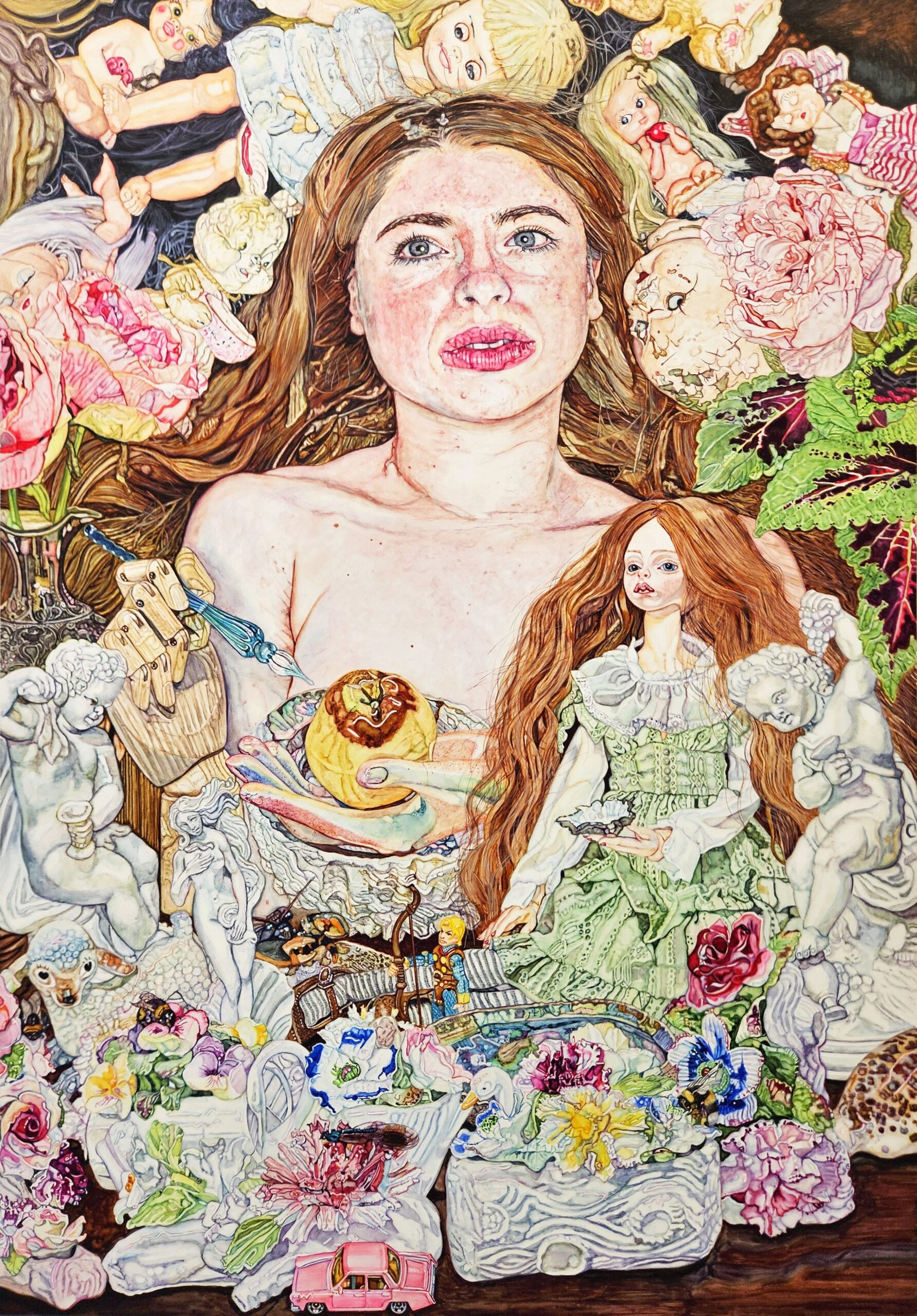
- Narcissus, Watercolour on Gesso Panel, 50 x 70cm, 2026
- Baby Turns Blue, Watercolour on Gesso Panel, 40 x 50cm, 2025
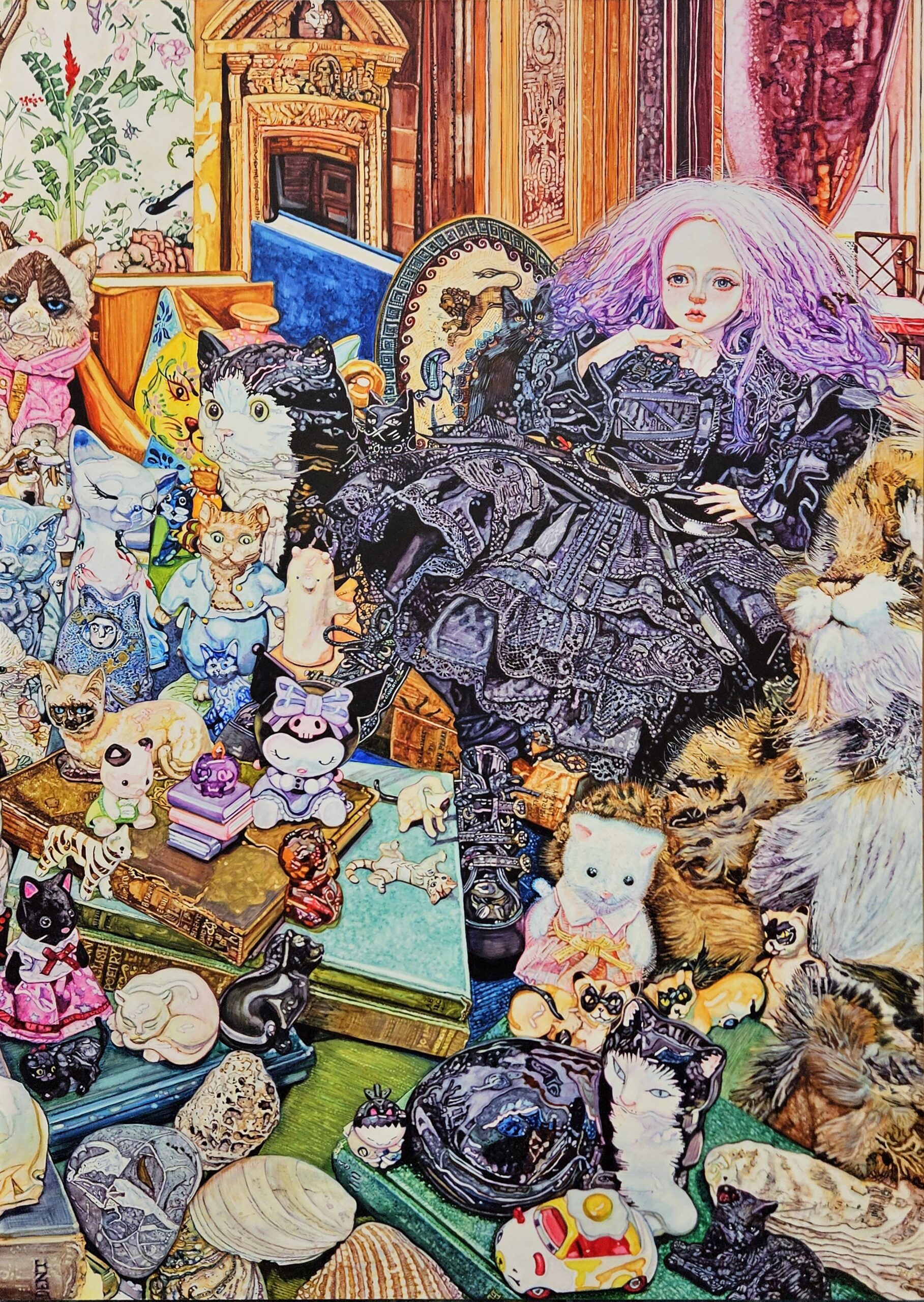
- The Love Cats, Watercolour on Gesso Panel, 70 x 50cm, 2024
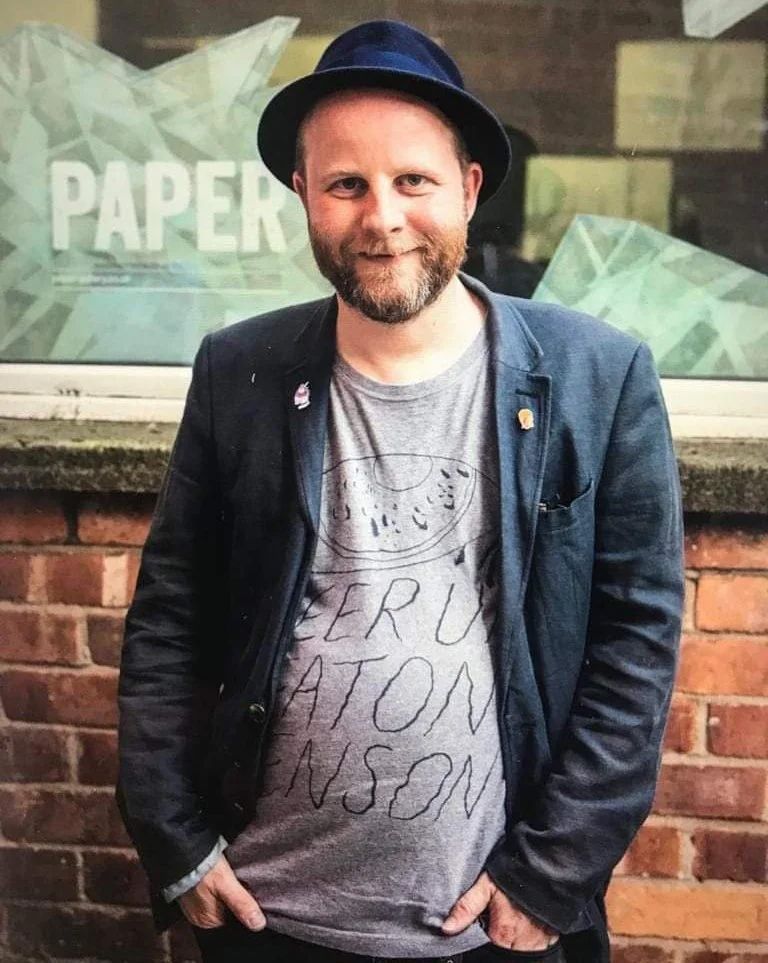
- David Hancock
- A Lye-Tipped Arrow, Watercolour on Gesso Panel, 70 x 50cm, 2026