Arts and Sustainability: Yu-Chen Wang
Posted on 27 November 2026
This month we caught up with Artist Yu-Chen Wang for our ongoing series Artists and Sustainability, where we ask artists or those who work in the cultural sector to share short responses about their work and how it might relate to climate change.
Does nature, the environment or looking after the planet influence your artwork in any way?
Nature, the environment and the care of our planet are central to my artistic practice. Building on a long-standing interest in industrial history, my work has naturally evolved to engage with ecological concerns, particularly the human impact on ecosystems, industrial and imperial legacies and their lasting social and environmental consequences. Through my work, I explore how we can collectively reimagine a shared future: one that is greener, fairer and more resilient in the face of a changing climate.
Do you make any choices in the way you create your artwork that help the environment?
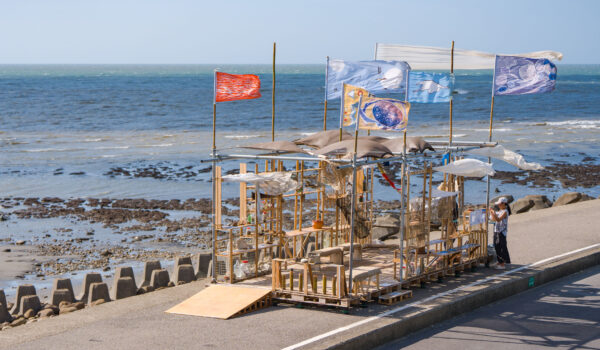
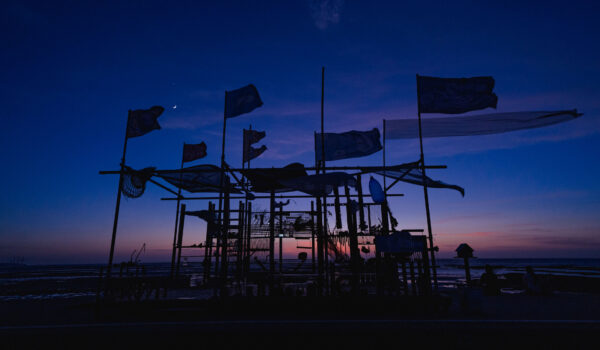
Yes. From the concept to tangible practice, I make conscious decisions so that every aspect of making my work is not only sustainable, but environmentally responsible. For example, my most recent project was Flowing Shoreline (2026), an outdoor installation and open-air museum in a wetland reserve in Taiwan. The project explores the interplay between the ‘hyper-local’ and the ‘global’ within the context of climate change, shifting away from anthropocentric perspectives towards the interconnected coexistence of all living things.
Engaging directly with the local climatic and landscape conditions, this site-specific work extended to ephemeral elements such as wind, rain, and sunlight. After the two-month exhibition, all ‘borrowed’ natural materials were ‘returned’ to the exact spots where they were found, whilst man-made items were repurposed or recycled. The site was cleared, leaving no trace behind, only rich memories and documentation. I’m currently making a new film about the intervention and how the work changed and evolved together with natural processes.
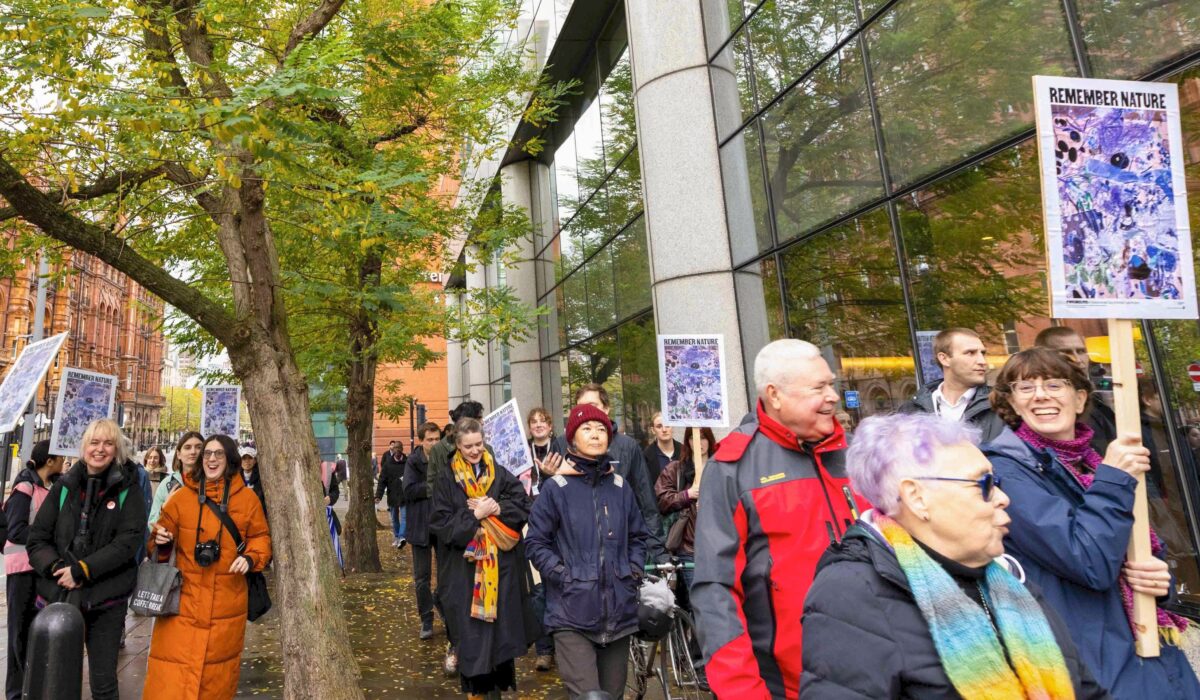
Do you think artists and galleries can help people think differently about the environment?
Yes, absolutely. I believe that art is inherently social and holds a profound capacity for transformation. Art may not change the world, but it can certainly change how people relate to the places they inhabit, and that change can become a starting point for environmental engagement. Artists and galleries can help shift people’s perspectives by moving beyond passive viewing towards active participation.
In my own practice, I explore how public walks can create meaningful encounters between people and their local environments. Recent projects, including Nature Remembered (2025) with Castlefield Gallery, the Semeiko-Wang Project (2025-26) with London Museum Studios, and Never know what you will find on the way home (2026) with Create London, use collective wandering and creative observation to invite participants to discover, reflect on, and share their relationships with the places around them. Ultimately, by favouring community-led co-learning over passive presentation, artists and institutions can help people develop a deeper sense of connection, responsibility, and care for the environment, fostering more meaningful and long-term engagement with urgent social and climate issues.
Have you learnt anything about making art in a more environmentally friendly way that you’d like to share with other artists or visitors?
My biggest takeaway has been realising that art doesn’t need to last forever, but our environment does. I believe we should all commit to making sustainable materials the default for every project, exhibition and even everyday practice. I try to reuse and repurpose existing materials, minimise waste, avoid unnecessary printing and packaging and consider the energy and resources involved in production. If we all treat sustainability as a starting point rather than an afterthought, that shift alone makes a real difference.
Biography
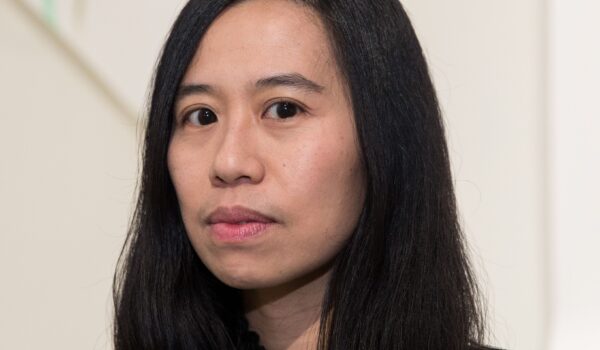
Yu-Chen Wang’s work asks fundamental questions about human identity at a key point in history, where ecosystems and technosystems have become inextricably intertwined. Exploring the legacy of industrialisation and its impacts on the environment, her practice spans drawing, moving image, performance, and multimedia installation. She has recently exhibited at Drawing Room (London, 2026), ArtScience Museum (Singapore, 2025), Manchester Art Gallery (2025), CERN Science Gateway (Geneva, 2025) and Tate Modern (London, 2024).
Images
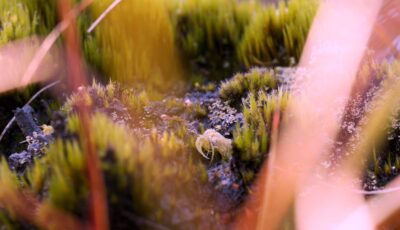
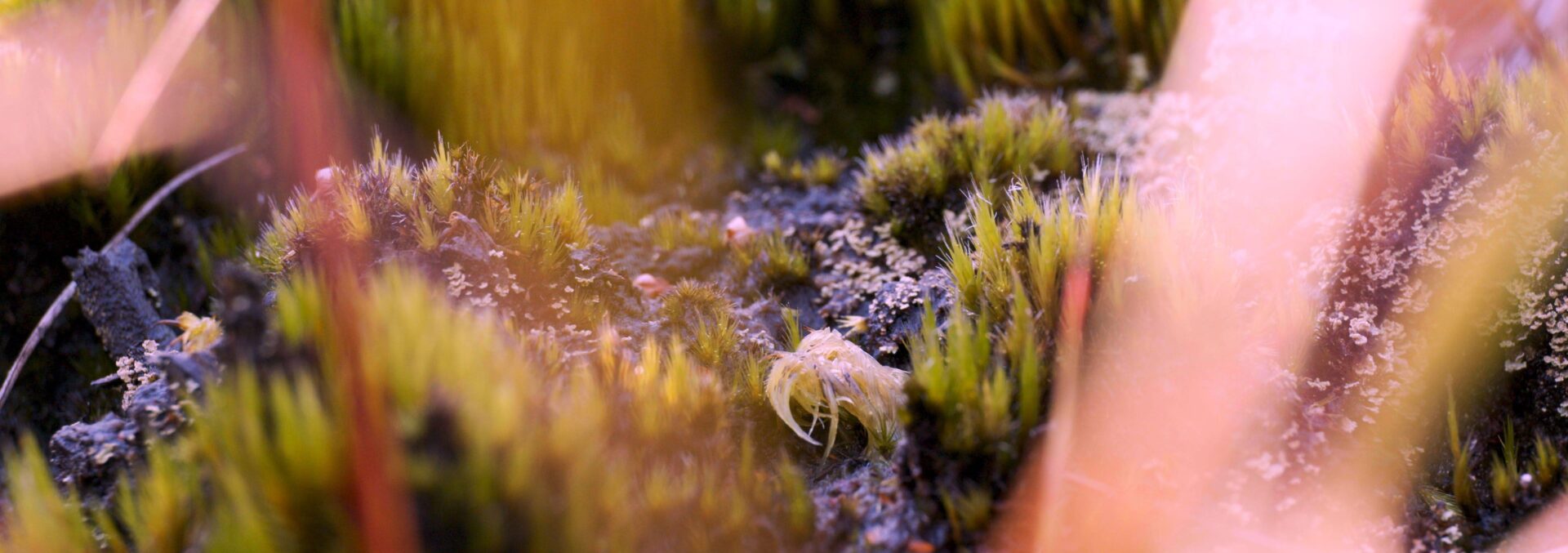
- Full Circle 2022, 4K video, 14’00”, production still
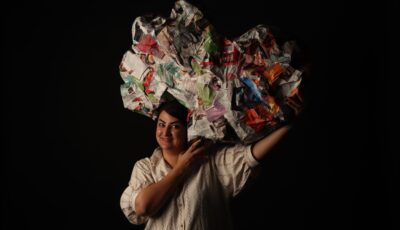
- Flowing Shoreline, 2026, bamboo, wood, fabric, natural materials, metal, found objects from the sea, and recycled/upcycled materials, 7.5 x 3 × 4 (m). Photo courtesy of Nan-Jay Wang
- Flowing Shoreline, 2026, bamboo, wood, fabric, natural materials, metal, found objects from the sea, and recycled/upcycled materials, 7.5 x 3 × 4 (m). Photo courtesy of Nan-Jay Wang
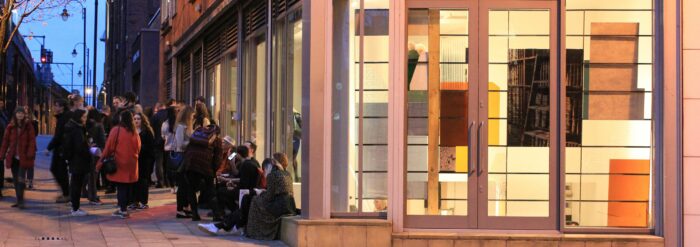
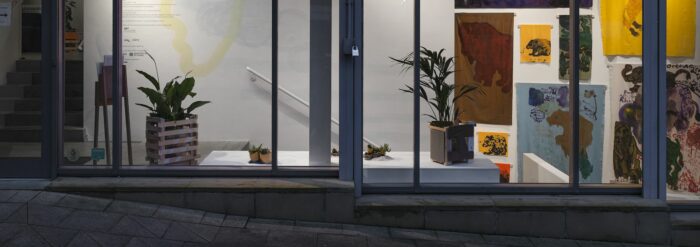
- Nature Remembered, 2025. Photo courtesy of Jess Robinson
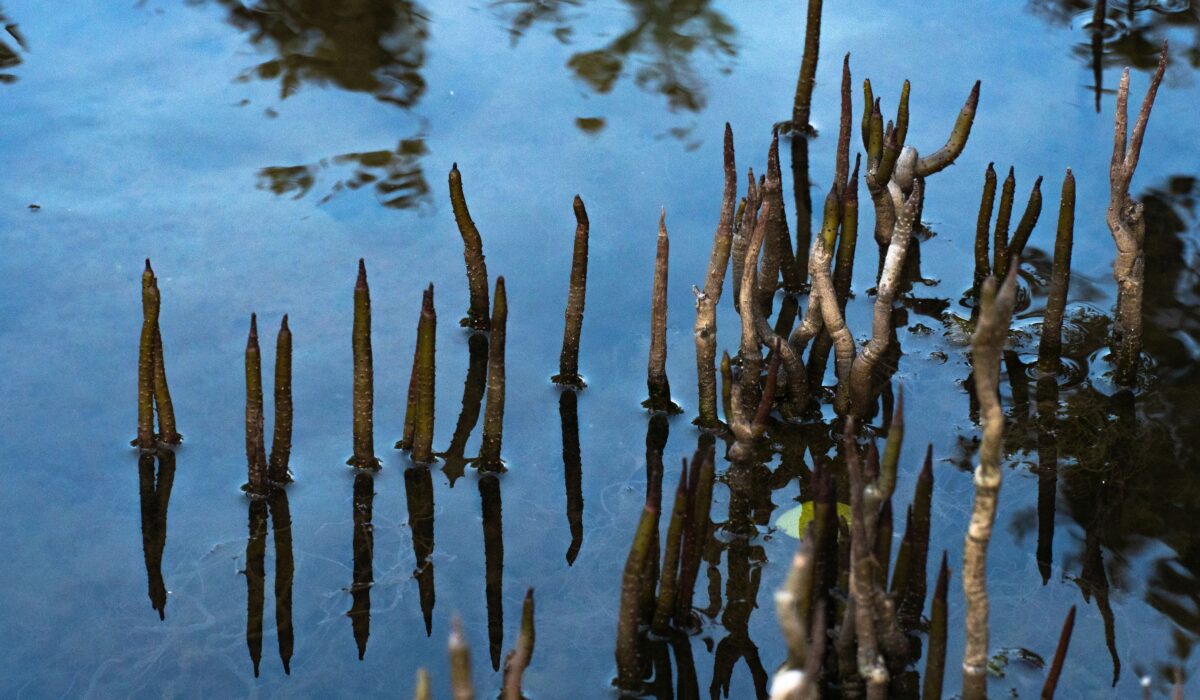
- Sea Forest (Avicennia marina, Sicao Lake—former Anshun Salt Fields), 2023-26, digital photography, dimensions variable